Home Window Tinting: Benefits, Options & Tips
By Amelia
January 20, 2026
5 min read
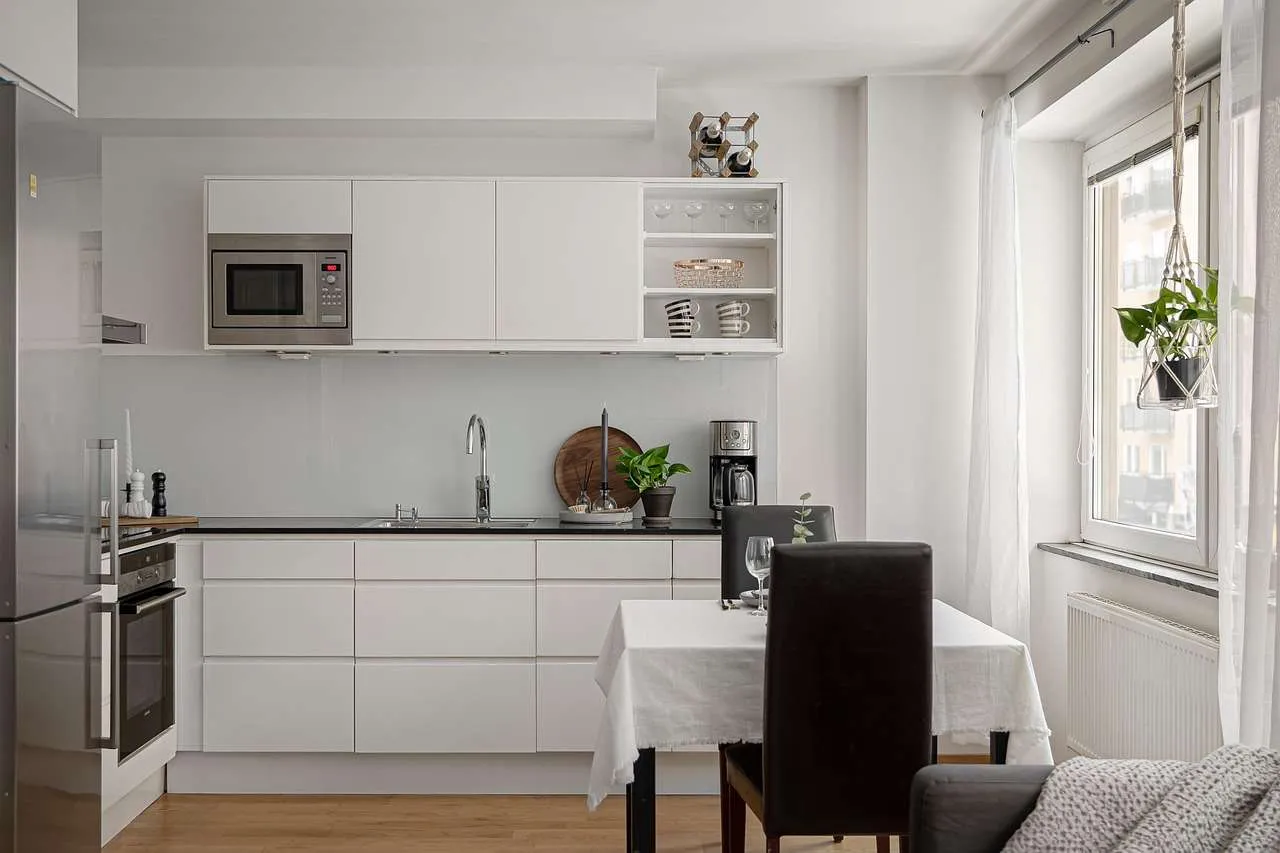
If you are looking to improve comfort, energy efficiency, and privacy in your home, home window tinting offers a practical solution. This guide covers what tinting is, how it benefits you, the main film options, installation considerations, and maintenance tips. The advice here reflects industry best practices and is meant to help homeowners make informed decisions.
What is home window tinting?
Home window tinting refers to applying a thin film to the interior surface of your windows. The film can block solar heat and UV rays, reduce glare, and enhance privacy while preserving natural light. Modern films come in various shades and technologies, so you can balance appearance with performance.
How tinting works
The film's metallic or ceramic components absorb or reflect heat and light. UV rays are largely blocked, protecting furnishings from fading. The visible light allowed through the glass (VLT) determines how dark the rooms appear. High quality films also maintain home security by not shattering into dangerous shards if the glass is impacted.
Benefits of home window tinting
- Lower cooling costs by reducing heat gain in summer and insulating in winter
- Protect furniture and flooring from UV fading
- Improve comfort with less glare on screens and in bright rooms
- Enhance privacy without sacrificing daylight
- Increase safety by holding shattered glass together in case of impact
Choosing the right tint for your home
Key factors include UV blocking, heat reduction, daylight transmission, color and reflectivity, and budget. Look for a film with a high UV rejection rate (often over 99%), a suitable SHGC and VLT that matches your climate, and a warranty from a reputable installer.
Tips for selecting a film
Consider your climate: hotter regions benefit from low SHGC and higher UV protection; milder climates may prioritize glare reduction and privacy. Check for compatibility with your windows, including double pane vs single pane and any coatings on the glass. Ask for a visible sample to judge how it looks in natural light.
Types of window tint films
Dyed film
Inexpensive and good for privacy, dyed films absorb heat and light. They can fade over time and may be less durable.
Metalized film
Metal layers reflect heat and reinforce strength but can interfere with electronics and create a metal appearance. Some people dislike the metallic look.
Carbon film
Carbon films offer neutral aesthetics, strong heat rejection, and do not easily fade. They maintain clarity and reduce hot spots.
Ceramic film
Ceramic films provide excellent heat rejection with minimal color change and no signal interference. They are among the most durable and high-performing options.
Laminated or safety film
These films add an extra layer of safety by holding glass together if broken, which can be important in households with children or in certain earthquake zones.
Installation options and costs
You can choose DIY installation or hire a professional installer. DIY kits work for small projects but require careful cleaning, cutting, and squeegeeing to avoid bubbles. Professional installation typically provides a warranty, precise cutting for large windows, and cleaner finishes.
Estimated costs vary by region and film type. Home window tinting for a whole house commonly runs between 5 and 12 dollars per square foot installed, with higher end films costing more. Expect a few hundred to several thousand dollars depending on window count, film type, and complexity.
Maintenance and warranty
To keep the tint looking its best, clean with a soft, non abrasive cloth and a mild, ammonia-free cleaner. Avoid abrasive scrubbers and strong solvents that can damage the film. Most residential films come with a warranty against peeling, bubbling, or loss of adhesion for a specified period, often 5 to 15 years depending on the brand and type.
Legal considerations and homeowner guidelines
Some regions and HOAs regulate reflectivity and tint darkness, even for residential windows. Before installation, check local building codes, HOA covenants, and insurance requirements. A licensed installer can help ensure the film complies with applicable rules.
Cost overview and return on investment
While the upfront cost varies, the long term savings on cooling energy can offset a significant portion of the investment. Enhanced comfort, reduced glare, and protection from UV fading also extend the life of furniture and flooring. When evaluating options, weigh the total installed price against projected energy savings and the film warranty to determine value.
Comparison of common tint film types
| Film Type | Solar Control | Aesthetics and Color | Durability | Typical Cost | Notes |
|---|---|---|---|---|---|
| Dyed | Moderate | Darkens easily, variable color | Moderate fade resistance | Lower | Budget option, may fade; not best for long-term heat control |
| Metalized | High | Reflective look, can appear mirror-like | Strong but may scratch and interfere with signals | Moderate | Good heat rejection; check for compatibility with electronics |
| Carbon | High | Matte, natural look | Excellent fade resistance | Moderate to high | Good blend of performance and aesthetics |
| Ceramic | Excellent | Neutral, non reflective | Very durable | High | Top-tier performance and longevity |
Choosing the right film involves balancing appearance, performance, and cost. A professional window film installer can help you compare SHGC, VLT, UV rejection, and warranty across brands to find the best fit for your home and climate.
Maintenance and care are straightforward. Clean with a soft cloth and a mild cleaner. Avoid ammonia based products and abrasive tools which can scratch or wear the film. With proper care, residential tinting can maintain clarity and color for many years.
Conclusion, home window tinting offers a practical set of benefits from energy savings to privacy and protection of furnishings. By understanding your options and working with a knowledgeable installer, you can choose a film that matches your climate, style, and budget while staying compliant with local regulations and HOA guidelines.